ZzzQuil, melatonin pills, Ambien pills, xanax pills, pills, pills, pills…
Sure, some might work, but not without negative side effects the next day such as daytime drowsiness, impaired focus, inconvenience and, for most, a strain on your wallet.
The reality is, we weren't designed to depend on pills to help us sleep.
(We weren't designed to depend on pills, period)…
The evolution of our ancestors is embedded in our DNA, and the tools we have naturally at our disposal beat pills every time.
More-often-than-not, ignoring our evolution and biology results in disharmony and, eventually, disease.
On the other hand, embracing our evolution, and the biological tools embedded within us, is by far and above the best, most effective, and sustainable means to achieve just about any health goal you could have.
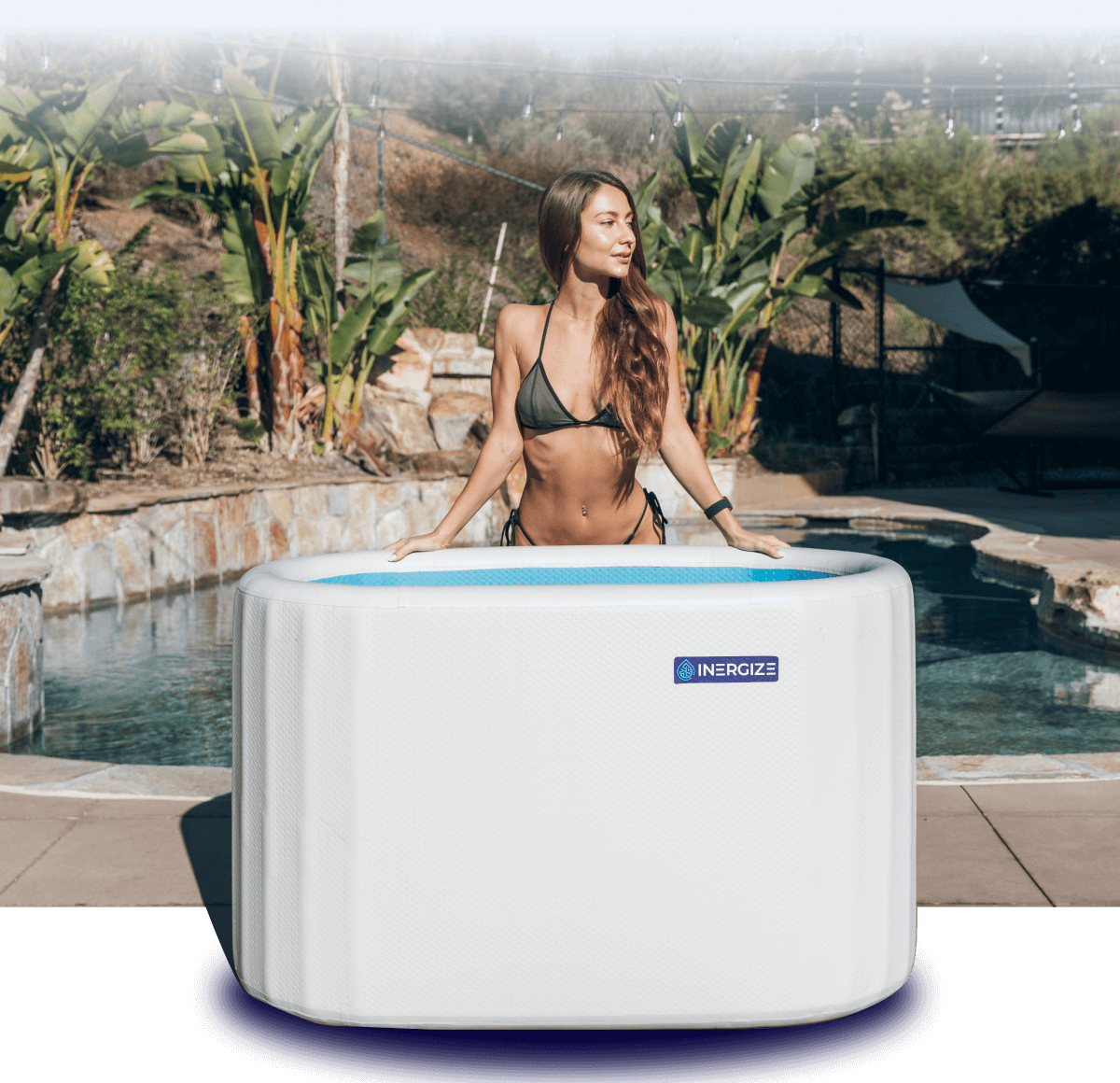
In the case of sleep, deliberate cold exposure is a profoundly effective tool.
Here's our 1-minute guide on achieving optimal sleep with cold therapy.
How does cold exposure affect sleep?
- Set Wake & Sleep Cycles: Deliberate cold exposure done in the morning has been shown to have a measurable effect on the solidification of circadian rhythms—our body's natural, internal "clock" that sets our rest and energy cycles. By cold plunging in the morning specifically, you're setting your internal clock to "on" for the day. Once your "clock is on", your body will handle the rest, winding your clock to "rest" roughly 12 hours later.
- Deep Sleep: Beyond establishing a healthy circadian rhythm (sleep/wake cycle), cold plunging also reduces the body's cortisol response, which can largely affect deep sleep. Additionally, the activation of brown adipose tissue helps with thermoregulation, another large component of achieving ample deep sleep.
- REM Sleep: Similar to deep sleep, REM sleep improves with lower cortisol levels, lower core body temperature, and a well-established circadian rhythm. Though little scientific research has concluded concretely that cold plunging in fact improves REM sleep, thousands of sleep tracking enthusiasts have reported considerable changes to their sleep scores, with cold plunging as the common denominator.
What's the best protocol to achieve the maximum benefit for sleep with minimum input?
As a general rule of thumb:
- Cold plunging in the morning is most ideal (within 90 minutes of waking). This yields the best metabolic benefits, circadian rhythm establishment, and stress response.
- If you want to take a cold plunge before bed, it's recommended to plunge for 30 seconds or less to limit the stress on your body and mind.
- Full-body submersion (up to the neck) has been shown to yield the greatest benefit.
- Across all cold therapy data, there is little-to-none that indicates anything below 55 degrees fahrenheit yields any more benefit than getting into freezing cold water (though some benefit could be argued, such as mental strength training, etc).
- If you're cold plunging at night, have it slightly warmer to reduce the stimulation/stress on your body (which could actually hinder your sleep).
- Similarly, any session length past 5 minutes yields little-to-no additional benefit.

 to book some time.


No comments:
Post a Comment