Good morning! I hope everyone had a great holiday weekend and was able to reap the benefits of too much food prep: leftovers. I've always been a big proponent of stashing away extra food for the next day (or several), whether it's planned (like making a big salad to get me through the week) or not (like taking home extra fruit or potato salad from a cookout). Are you the type of person who always brings a to-go container to an event or asks the restaurant for a box? Or are you someone who won't touch leftovers with a 10-foot pole? Curious to know where you fall. Let me know by replying to this email! — Molly Knudsen M.S., RDN, editor |
What to eat (or avoid) when you're feeling extremely bloated
|
Bloating: It can feel like a rock sunk to the bottom of your belly or like your pants need to be unbuttoned immediately. This pressure in your abdomen is downright uncomfortable. What causes bloat? Three common causes of occasional bloat (if you experience severe bloating every day, consider talking to your healthcare provider about it) are having too much gas in your intestines, poor movement of gas through the digestive tract, or altered fluid balance.1 Luckily, what and how you eat can alleviate this pressure—helping you enjoy eating again and preventing you from curling into a ball after a meal. How to relieve bloat - Eat slowly and chew your food: Help your body digest your food by chewing it thoroughly. Scarfing down your food often means air gets trapped with it and promotes bloat.
- Avoid sugar alcohols: Sugar alcohols (like sorbitol, xylitol, and mannitol) are known to cause GI upset especially when consumed in excess.2 These sweeteners usually hide in "sugar-free" candies and treats.
- Cook your broccoli: Cruciferous veggies like broccoli, cauliflower, and Brussels sprouts contain certain carbohydrates that are hard to digest and can lead to gas and bloating.3 Cooking the vegetables helps break down some of the carbs making them easier to digest and less likely to cause bloating. If that still doesn't work for you (and you love these veggies), eat smaller portions at a time.
- Skip the salt: Eating a lot of salt (especially through frozen foods, cured meats, and most processed snacks, sauces, and condiments) can cause you to retain fluid. This fluid is likely to settle in your hands, feet, or abdomen—distending your stomach and leading to a feeling of fullness.4 So it's a good idea to limit salty, processed foods.
- Choose anti-bloat foods that:5
- Are rich in potassium (as potassium counteracts the effects of sodium to ease bloating)
- Have diuretic properties (i.e. they help you pee, like asparagus)
- Offer high amounts of soluble fiber (like oats) to keep you regular
- Contain polyphenols (like berries and olive oil) to calm inflammation and keep your microbiome thriving
- Are fermented and contain probiotics, as they fight swelling and bloat
+Beat the bloat |
The chopping block: Can certain food choices make menopause easier?
|
Changing (and overall declining) hormone levels during menopause coincide with increasing health concerns. The risk of metabolic syndrome (think high blood sugar, hypertension, high triglycerides, and high belly fat) increases by 60% after menopause,6 as does the likelihood of heart disease.7 Board-certified OB-GYN and certified menopause practitioner Mary Claire Haver, M.D.,8 was recently on the mindbodygreen podcast sharing her top eating tips for menopause. - Get enough fiber: Aim to eat 25 to upwards of 35 grams of fiber a day. Fiber is important for balancing blood glucose, and research shows that women who eat more fiber have less belly fat.9
- Limit added sugars: Haver recommends watching out for refined sugars (not the natural sugars found in fruits and vegetables). Foods high in added sugars spike glucose levels, which may increase the frequency of hot flashes.10
- Eat probiotic-rich foods: Fermented and probiotic-rich foods like yogurt and kefir may help ease some of the difficulties of menopause by promoting gut health, bone strength, cardiometabolic health, and mood.11
- Add a dash of turmeric: This spice has some powerful antioxidant and anti-inflammatory properties. Its main active ingredient—curcumin—has been shown to help with menopausal symptoms like hot flashes.12 And when paired with vitamin E, it may even reduce hot flashes by a third.13
- Prioritize protein: Getting enough protein at any age is important for women, yet often hard to do. It's more challenging to maintain muscle mass with age, which is not ideal for metabolic health and can even lead to joint pain, osteoporosis, and frailty. Most women need at least 100 grams of protein a day (likely more) for optimal health.14
+Managing menopause |
|
| How to not cook with chemicals |
It's no secret that there are plastics lurking in most conventional cookware15—but what does that really mean for your health? And what should you cook with? Let's break it down: - The coating on many nonstick pans contains PFAS16 (aka forever chemicals).
- PFAS have been linked with hormone disruption, reproductive issues,17 and certain cancers.18
- Health experts recommend getting rid of pans with non-stick coatings and replacing them with nontoxic pans made from cast iron, glass, titanium, stainless steel, or ceramic.19
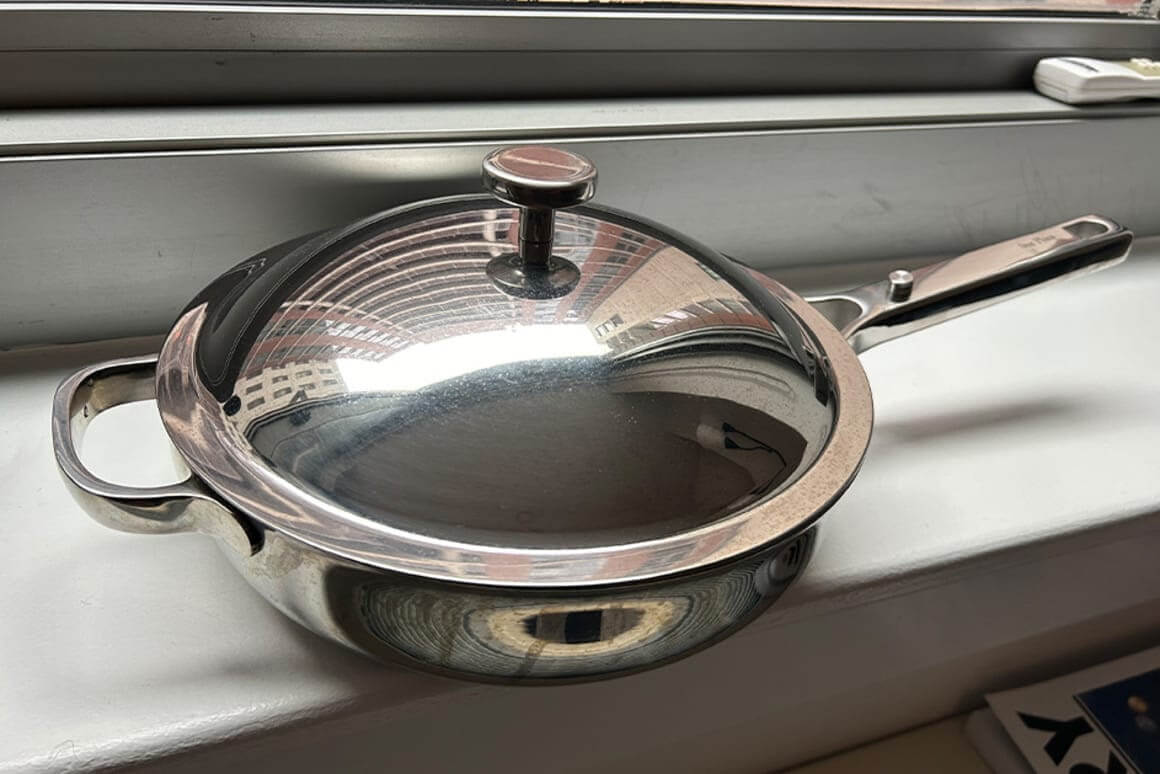
Our favorite non-toxic pan (that your food won't stick to) - The new Titanium Our Place Always Pan Pro is free of PFAS.
- It has a unique grid pattern pressed into the surface that prompts food to naturally detach from the pan when cooked—a true nonstick experience that requires no chemical coating.
Skeptical? I was, too, before testing the new release for a month. My omelets never stick and clean-up is a breeze. |
|
|
Swimmingly good salmon recipes |
Salmon is one of my all-time favorite foods—not only for its taste but for its nutritional value. It's a great source of omega-3 fats (about 1.6 grams for a 3-ounce serving) and astaxanthin (the antioxidant that gives the fish its pinky color and is great for skin aging). And it's perfect for summer meals as it cooks up in a flash. + Feeling fishy |
|
|
Need an answer? Drop me your questions here. That's it for this week! Until next time, bon appétit. –Molly Knudsen, M.S., RDN |
Want more from mindbodygreen? Find us here: |
 | | | | Forwarded by a friend? Subscribe here! | | © 2024 mindbodygreen, All rights reserved.
2980 McFarlane Road, Miami, FL 33133
UNSUBSCRIBE
| | | | | |
| |
|



No comments:
Post a Comment