Three deaths after hospital virus outbreak + Queen's study examines Covid-19 symptoms in children

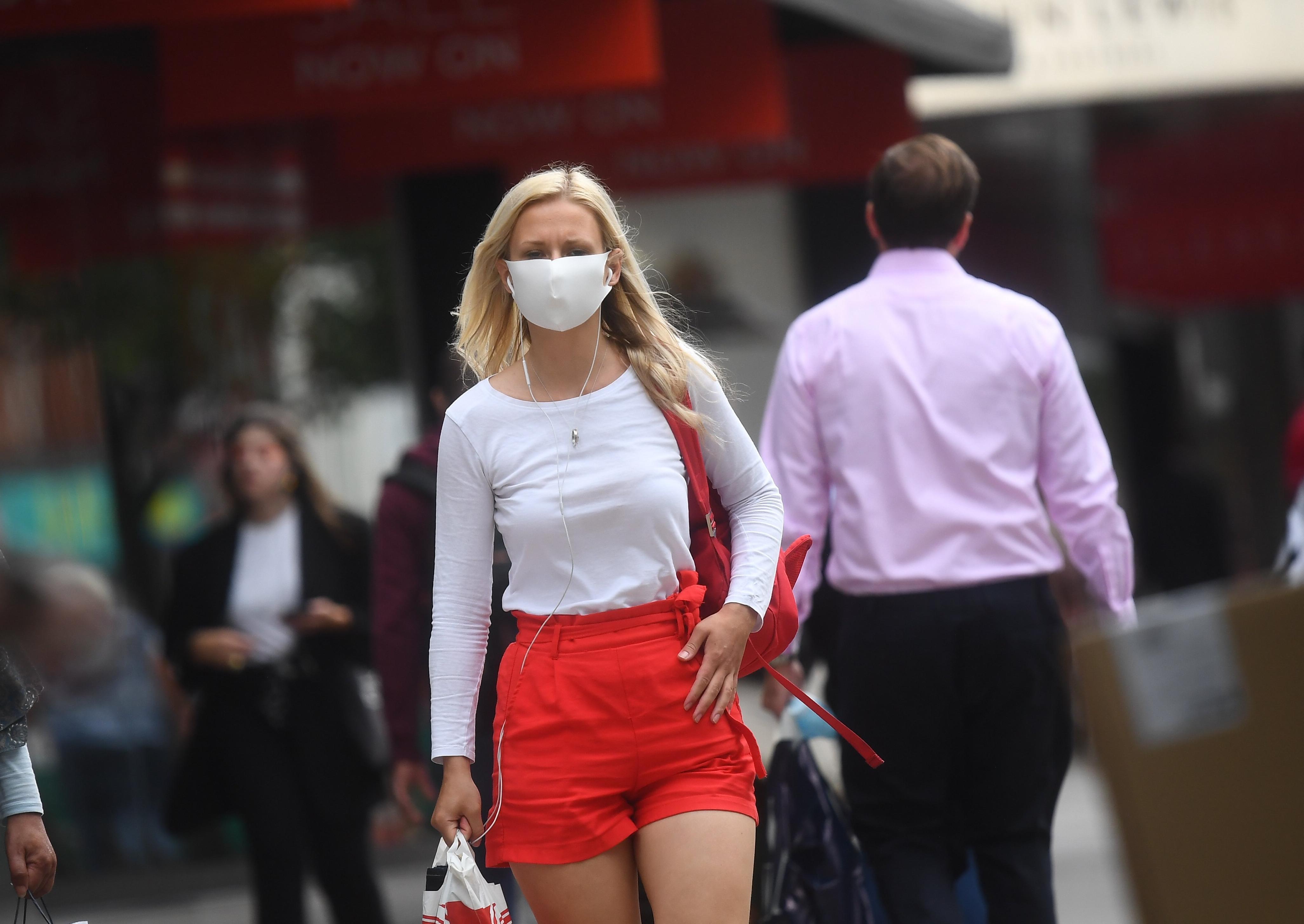
The PSNI has issued a second person in Northern Ireland with a fixed penalty notice of £1,000 after they were found to have been in breach of COVID-19 quarantine rules.


  Sep 4, 2020  


Good afternoon,

 
Today's headlines sadly record the news that three patients have died after testing positive for coronavirus at Craigavon Area Hospital's haematology ward.
 
One of the patients died at home and the virus is not believed to have been the primary cause of death.
 
As Health Minister Robin Swann said earlier this week, the outbreak at the hospital reinforces just how 'fragile' the Northern Ireland health service is. It serves as a stark reminder that we must all play our part in keeping ourselves, our families and communities safe.
 
Meanwhile, a study by researchers at Queen's University, Belfast has shown that diarrhoea and vomiting could be coronavirus symptoms in children.
 
The findings show that gut-based symptoms could be better indicators of the virus in children than some of the NHS-listed symptoms like coughing.
 
Stay safe.
 
Valerie Martin,
Head of Content.
 

Want total access to all of our online content? You can subscribe to our website, newsletter.co.uk for just £1 a month for 3 months - and it couldn't be easier.

Signing up will get you faster-loading articles, fewer adverts and access to exclusive content and events when we run them. To learn more, visit our Subscriptions page here.


  CORONAVIRUS NI LATEST: Second person fined after breaching quarantine - 61 new infections in last 24 hours  
     
  The PSNI has issued a second person in Northern Ireland with a fixed penalty notice of £1,000 after they were found to have been in breach of COVID-19 quarantine rules.  
     
{$escapedtitle}


Article Image
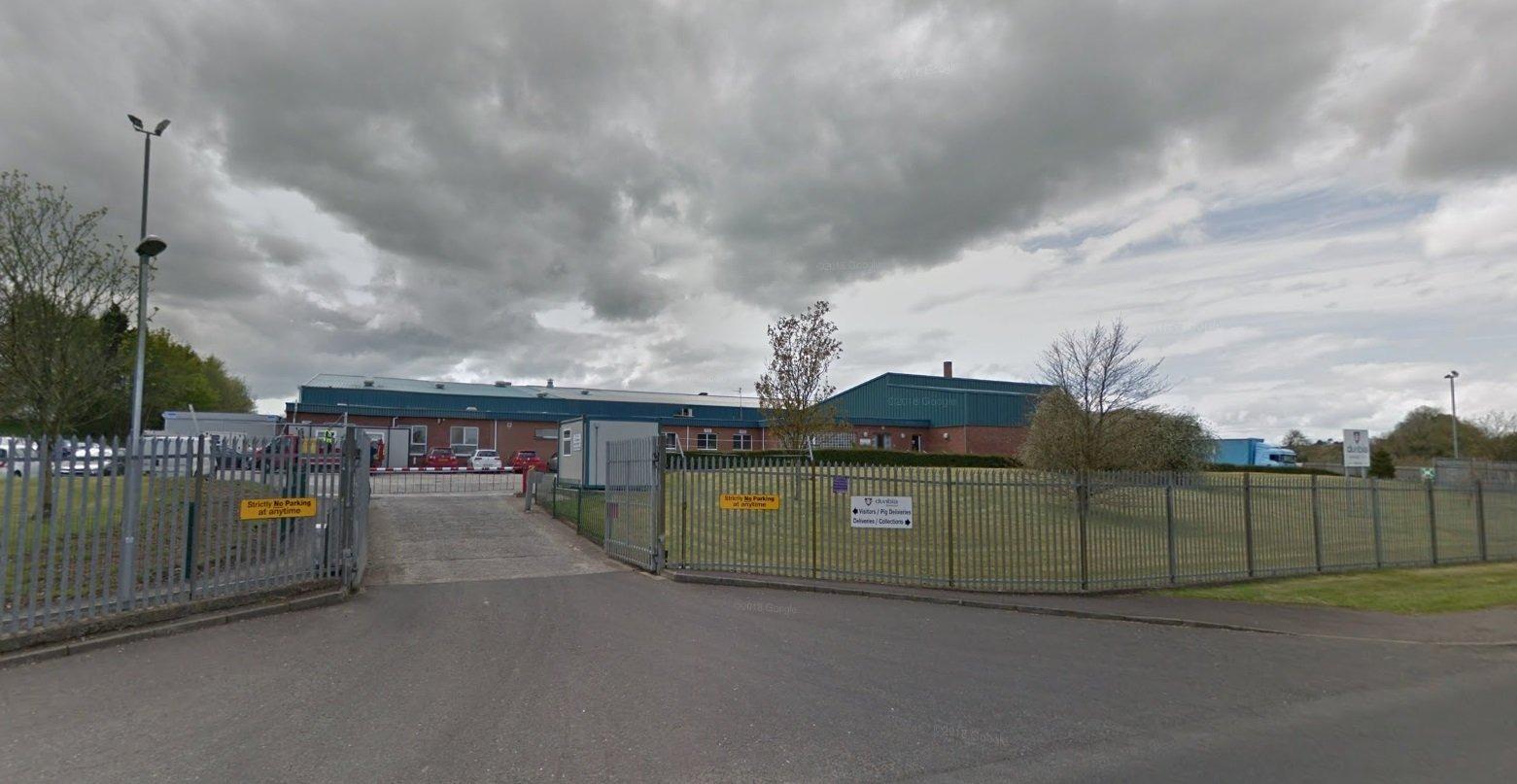
NI pig plant hit by cluster of cases reopens after deep clean
 
A meat processing plant in County Antrim which had to close following the discovery of a cluster of Covid-19 cases amongst workers, has now reopened.


Article Image
Two additional Covid-19 related deaths identified by NISRA
 
The Northern Ireland Statistics and Research Agency (NISRA) has identified two additional COVID-19 related deaths.


Article Image
Firm agrees new deal to help destroy virus
 
A ground-breaking system that destroys viruses including Covid-19 is being introduced to Northern Ireland thanks to a Coleraine-based company.


Article Image
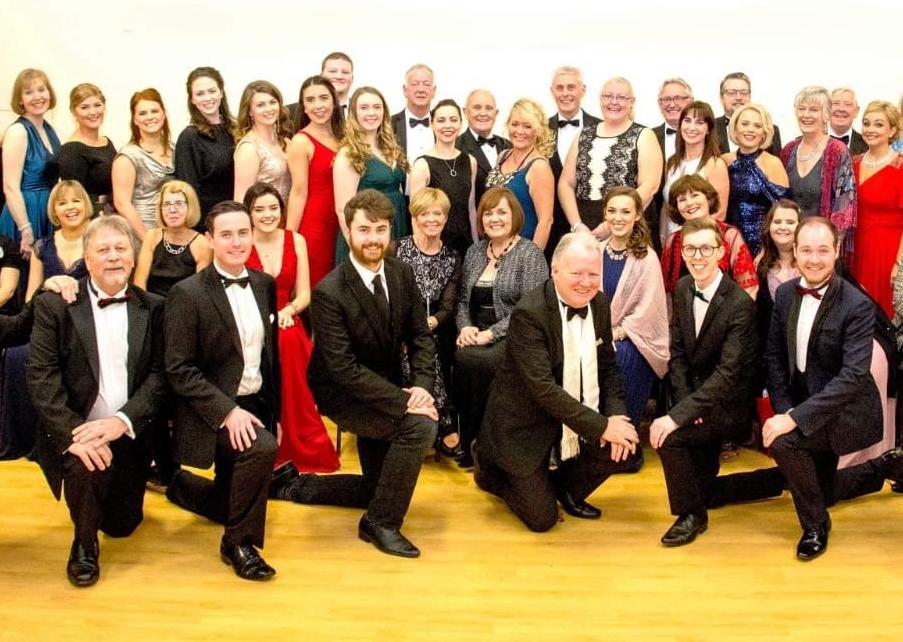
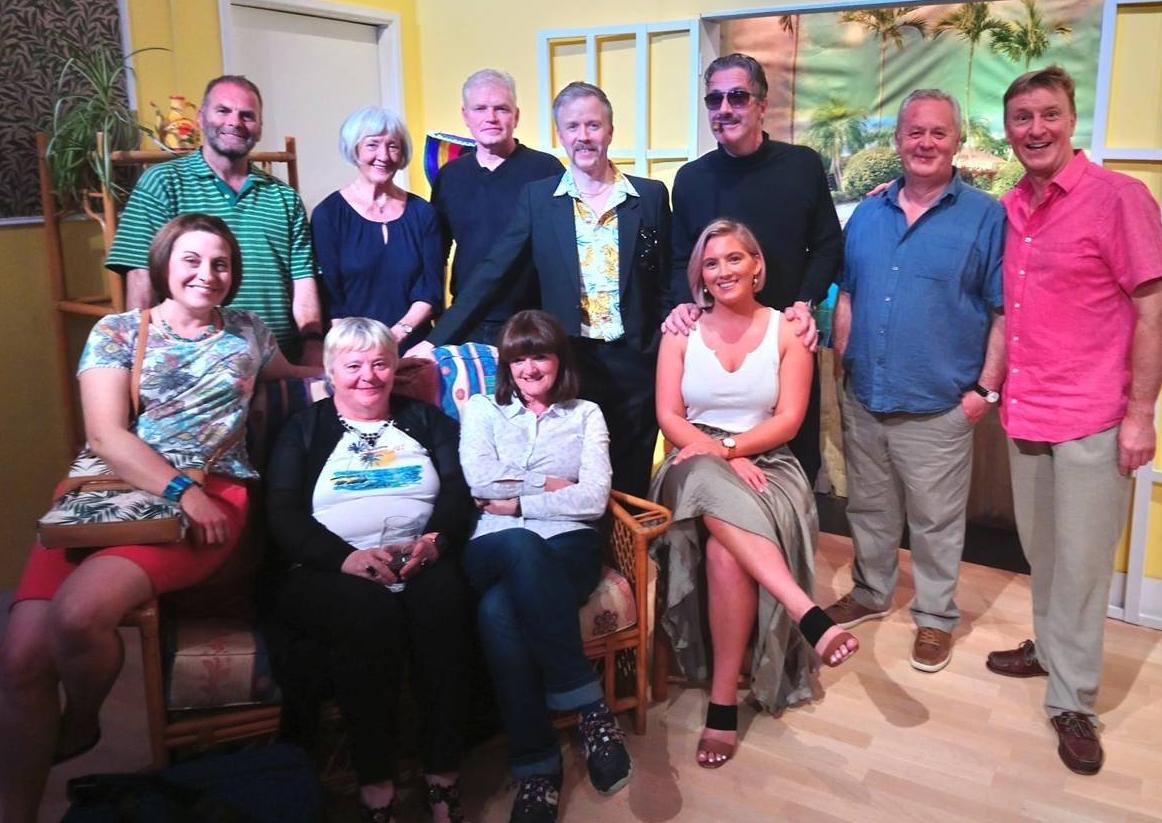
St Agnes' Choral Society vows that the show will go on
 
As one of Northern Ireland's longest established musical societies, St Agnes' Choral Society has endured various hardships throughout its 63 year history.


Article Image
Huge loss for Bangor Drama as lockdown forces cancellations
 
Bangor Drama Club, which has its own studio theatre in the seaside town, is almost 90 years of age and the Covid-19 lockdown came as a huge blow to this well established company.


Article Image
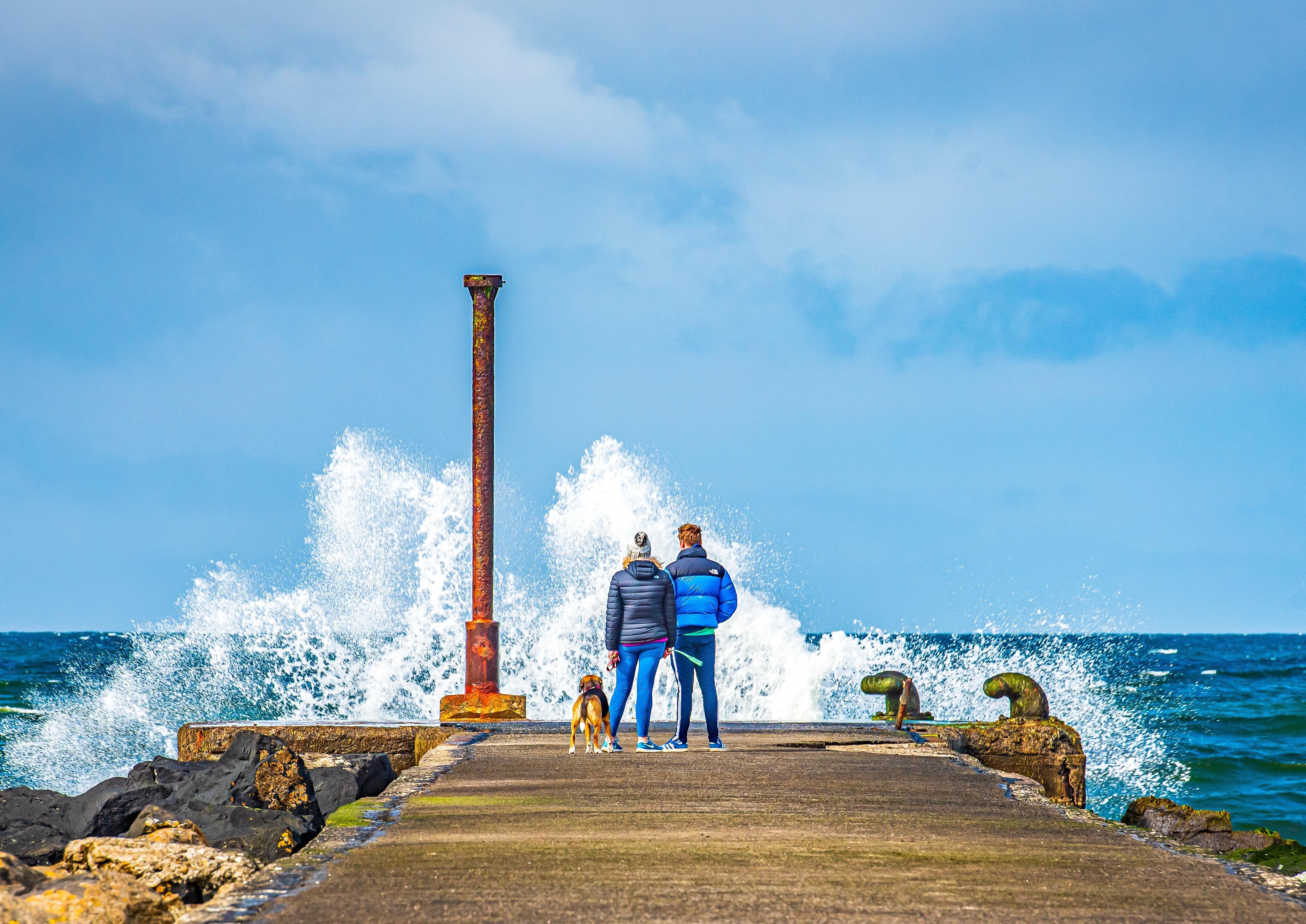
Can you help Ivan find couple in his self-isolation photo?
 
A Co Antrim man who took solace in photography while self isolating for 13 weeks is asking for help to give a mystery couple a copy of a dramatic picture which they wandered into.


Article Image
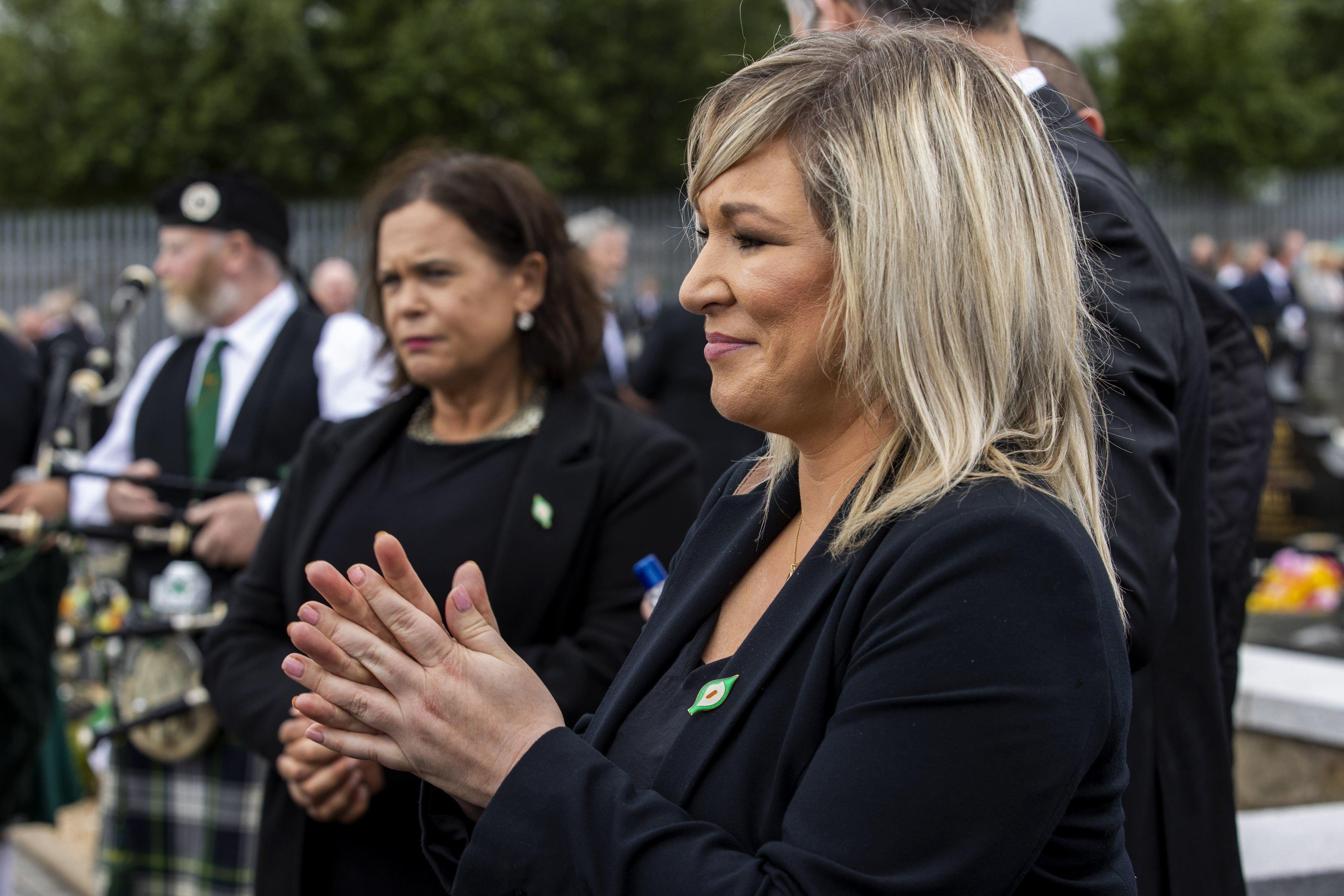
Arlene Foster voices frustration at Sinn Fein over 'damage' from Storey funeral
 
First Minister Arlene Foster has expressed frustration at the ongoing "lack of acknowledgement" from Sinn Fein over "damage" caused at the funeral of a veteran republican.


Article Image
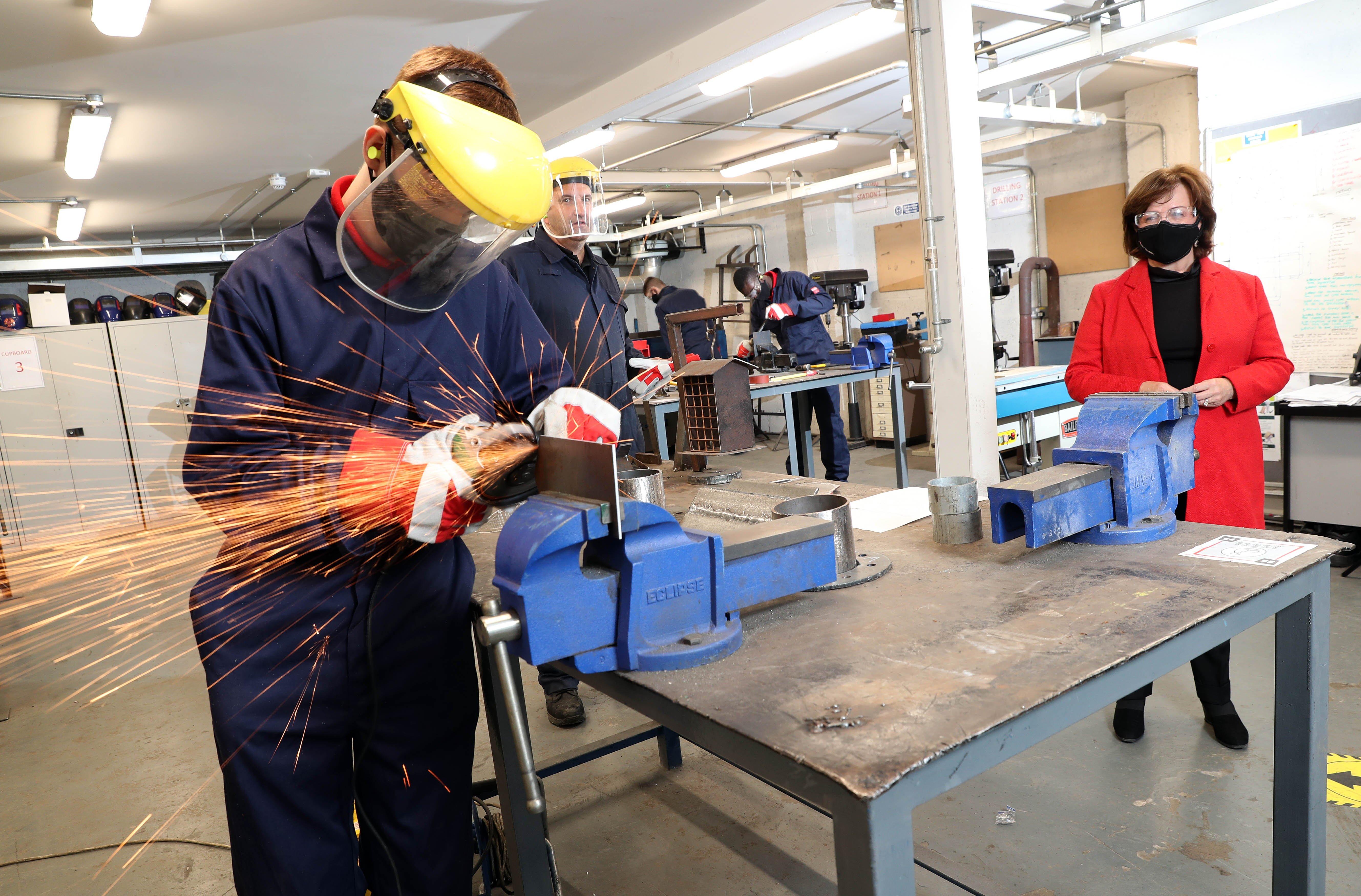
All employers will receive up to £3,700 for each apprentice at work
 
Economy Minister Diane Dodds announced employers will be offered £3,700 for every apprentice that they bring back from furlough and retain until they have completed their apprenticeship.


You have received this email as you have an account on the News Letter, published by JPIMedia Publishing Ltd. To manage your individual newsletter preferences with us, please click here and log in to your account.
 
 
Alternatively you can update your email preferences to choose the types of emails you receive from JPIMedia Publishing Ltd, or unsubscribe from all future emails.


JPIMedia Publishing Ltd, a company registered in England and Wales with registered number 11499982, having its registered address at 1, King Street, London, England, EC2V 8AU, United Kingdom.

We will process your personal data in accordance with our privacy policy.
 

California Today: Images of California’s History That Endure

Friday: A look at the Golden State’s past, and present, in Dorothea Lange’s images of California
Woman Holding Pail of Tomatoes, Coachella Valley, March 1935Dorothea Lange Collection, the Oakland Museum of California. Gift of Paul S. Taylor.

Good morning.

The photograph shows a woman in a patterned dress, hauling a pail of tomatoes in the Coachella Valley. It’s 1935 and her face is shaded from the punishing sun by a straw hat.

Another image shows a man’s bare back as he plows cauliflower fields in Guadalupe, Calif., in 1937. It’s labeled “Filipino Field Worker.”

Dorothea Lange’s photographs of “Okies” and “Arkies” — the dust-caked Depression-era refugees standing forlorn before their ragged tents or trudging along desolate highways — are familiar to many Americans. They inspired John Steinbeck and have lodged themselves deeply in the country’s psyche.

Filipino Field Worker, Spring Plowing, Cauliflower Fields, Guadalupe, CaliforniaDorothea Lange Collection, the Oakland Museum of California. Gift of Paul S. Taylor.

But when I looked at the photographs in the Oakland Museum of California’s new digital archive of Ms. Lange’s work, I found myself seeing not just that history, but also our pandemic-shattered present.

[Read more about the farmworkers who have been working through heat, wildfires and the pandemic.]

The digital archive includes a selection of images from a huge trove of Ms. Lange’s work over decades. Her personal archive was gifted to the museum in 1965, the year she died.

Drew Johnson, the archive’s curator, said the artist and her husband had talked about the gift with the museum’s founding curator of photography, Therese Heyman, before the museum had even opened in its current building.

A grant from the Henry Luce Foundation enabled the museum to make the work more widely accessible.

Mexican Child in Migrant Labor CampDorothea Lange Collection, the Oakland Museum of California. Gift of Paul S. Taylor.

There are portraits of friends and family, photographs of sharecroppers from travels through the Deep South and snapshots from the Bay Area that span several decades.

ADVERTISEMENT

California’s waves of immigrant workers have always been essential, said Kent Wong, director of the University of California, Los Angeles Labor Center, but rarely have they been treated as such.

“Immigrant laborers have been a mainstay of the California economy and in the growth of agriculture over the generations,” he said. “And yet they have always faced extreme poverty, terrible working conditions, and their lives have always been seen as disposable.”

[Read about a MoMA exhibition that confirms Ms. Lange’s place in the pantheon of great American artists.]

One photograph in the archive shows young girls of Japanese ancestry pledging allegiance at a San Francisco elementary school just before the U.S. government forced thousands of Japanese-Americans into remote camps where they were incarcerated for years.

ADVERTISEMENT

One Nation Indivisible, San Francisco (Pledge of Allegiance at Rafael Weill Elementary School a Few Weeks Prior to Evacuation)Dorothea Lange Collection, the Oakland Museum of California. Gift of Paul S. Taylor.

The image has stuck with me since childhood, when I learned about what had been a largely overlooked injustice that touched my family.

But seeing for the first time her photos of closed or empty Japanese-owned storefronts, like a grocery hastily plastered with a sign declaring, “I AM AN AMERICAN,” stung in a different way.

ADVERTISEMENT

They were pointed depictions of an inability to work, a broken promise of American entrepreneurship that echoes today, as small businesses — many owned by immigrants or their children — struggle to survive a pandemic that abruptly cut off customers. Many have also been hurt by a tide of xenophobia.

Japanese Owned Grocery Store, Oakland, California, March 30, 1942Dorothea Lange Collection, the Oakland Museum of California. Gift of Paul S. Taylor.

[Read more about how Chinese-Americans have faced racist attacks since the beginning of the pandemic.]

Mr. Johnson said that Ms. Lange’s bosses at the Farm Security Administration in the 1930s told her to focus on white migrants, whom federal officials hoped would elicit the strongest sympathy.

Ms. Lange’s famed “Migrant Mother” has become a kind of enduring symbol of white motherhood, he said, although the woman, Florence Owens Thompson, was Native American.

But Ms. Lange was clearly attuned to the nation’s deep inequality, Mr. Johnson said. When she photographed sharecroppers in the Jim Crow South, he said, “she instantly recognized that race was at the bottom of the system.”

Migrant Mother, Nipomo, CaliforniaDorothea Lange Collection, the Oakland Museum of California. Gift of Paul S. Taylor.

A combination of factors in Ms. Lange’s personal history — her struggle with polio as a child, her marriages to the painter Maynard Dixon and later, the Berkeley economics professor Paul Taylor — informed an approach that resisted reducing people to their pain.

“The photographs turn out to be collaborations,” he said. “She was trying to emphasize the dignity of these people and the labor they were doing.”

One collection in the archive shows some of the first Braceros arriving in Sacramento, in 1942, after a five-day train ride from Mexico. They had arrived in a state rife with anti-immigrant sentiment, but their labor was so desperately needed to grow and harvest food that officials allowed them to be “imported.” The men look weary but not despondent.

Although the Emergency Labor Program that brought them to California was supposed to be temporary, it remained in place for decades.

Braceros, Sacramento, CA 1942Dorothea Lange Collection, the Oakland Museum of California. Gift of Paul S. Taylor.

[Read more about how the pandemic is highlighting the ways in which all Californians’ health is connected.]

In recent years, farms have increasingly relied on newer iterations of seasonal guest worker programs. And this spring, as Californians were told to shelter in their homes, undocumented farmworkers were told to carry letters marking them as essential and allowing them to keep doing their jobs.

“When we reflect on what Dorothea Lange was documenting in the 1930s, in many ways, very little has changed,” Mr. Wong, the U.C.L.A. professor, said.

Throughout the pandemic, California’s communities of color have been disproportionately asked to shoulder the risks of “essential” work — including Filipino health care workers caring for residents of nursing homes, and the Latino workers shipping off packages in the Inland Empire.

Still, Mr. Wong said that this Labor Day, it’s worth remembering that California has also been the birthplace of movements for worker protections that we may take for granted — and that more change is possible.

“The 1930s was a decade of huge change and transformation, including in labor law,” Mr. Wong said. “I see significant parallels between that era and today.”

(We’ll be off for the holiday, but will be back on Tuesday.)

California Today goes live at 6:30 a.m. Pacific time weekdays. Tell us what you want to see: CAtoday@nytimes.com. Were you forwarded this email? Sign up for California Today here.

Jill Cowan grew up in Orange County, went to school at U.C. Berkeley and has reported all over the state, including the Bay Area, Bakersfield and Los Angeles — but she always wants to see more. Follow along here or on Twitter, @jillcowan.

California Today is edited by Julie Bloom, who grew up in Los Angeles and graduated from U.C. Berkeley.

Need help? Review our newsletter help page or contact us for assistance.

You received this email because you signed up for California Today from The New York Times.

To stop receiving these emails, unsubscribe or manage your email preferences.

Subscribe to The Times

Connect with us on:

facebooktwitterinstagram

Change Your EmailPrivacy PolicyContact UsCalifornia Notices

The New York Times Company. 620 Eighth Avenue New York, NY 10018