What to wear in the outdoors 🧥 ͏ ͏ ͏ ͏ ͏ ͏ ͏ ͏ ͏ ͏ ͏ ͏ ͏ ͏ ͏ ͏ ͏ ͏ ͏ ͏ ͏ ͏ ͏ ͏ ͏ ͏ ͏ ͏ ͏ ͏ ͏ ͏ ͏ ͏ ͏ ͏ ͏ ͏ ͏ ͏ ͏ ͏ ͏ ͏ ͏ ͏ ͏ ͏ ͏ ͏ ͏ ͏ ͏ ͏ ͏ ͏ ͏ ͏ ͏ ͏ ͏ ͏ ͏ ͏ ͏ ͏ ͏ ͏ ͏ ͏ ͏ ͏ ͏ ͏ ͏ ͏ ͏ ͏ ͏ ͏ ͏ ͏ ͏ ͏ ͏ ͏ ͏ ͏ ͏ ͏ ͏ ͏ ͏ ͏ ͏ ͏ ͏ ͏ ͏ ͏ ͏ ͏ ͏ ͏ ͏ ͏ ͏ ͏ ͏ ͏ ͏ ͏ ͏ ͏ ͏ ͏ ͏ ͏ ͏ ͏ ͏ ͏ ͏ ͏ ͏ ͏ ͏ ͏ ͏ ͏ ͏ ͏ ͏ ͏ ͏ ͏ ͏ ͏ ͏ ͏ ͏ ͏ ͏ ͏ ͏ ͏ ͏ ͏ ͏ ͏
Thanks for reading. Hopefully you'll get value from this week's email.
Slightly different approach this time. Instead of 'light touch' we're focusing on one subject - Outdoor Clothing. That is, what you should remember when purchasing for, and packing for the next camping or hiking trip. Let's jump straight into it. No affiliate links of any sort included here. Just our own experiences, as an FYI.
Please share. When purchasing, firstly consider these 3 things: - Size of Available Budget
- Length of, and Frequency of Trips - Trips the Garments Will Be Used for
- Expected Weather Conditions
| | | | |
Choosing the Right Clothing | | Once we've established the budget and use, here's what you need to consider. First, Clothes. We'll deal with the feet later... | | 1. Moisture Wicking Moisture wicking (move sweat off the skin and dry fast) clothes, across the board - important regardless of the climate, e.g. merino, polyester, nylon. NOT cotton or denim! 2. Form Should Follow Function Yvon Chouinard, Patagonia founder, says that fashion is none of their business. Your clothes should work for you first. If they look nice, it's a bonus. 3. Layering Is Key We've all heard about layering in the outdoors. And I'll reiterate it here. This time tested strategy involves using multiple layers of clothing, each with a specific function, to adapt to changing weather conditions. Start with a moisture-wicking base layer next to your skin. As needed, add an insulating mid layer and a waterproof outer shell, like a rain jacket. This way, you'll be ready for any activity! Further consideration & suggestions: | | | | |
Cold-Weather Layers: - Midweight polyester long underwear top and bottom
- Jacket with synthetic insulation
- Midweight fleece pants
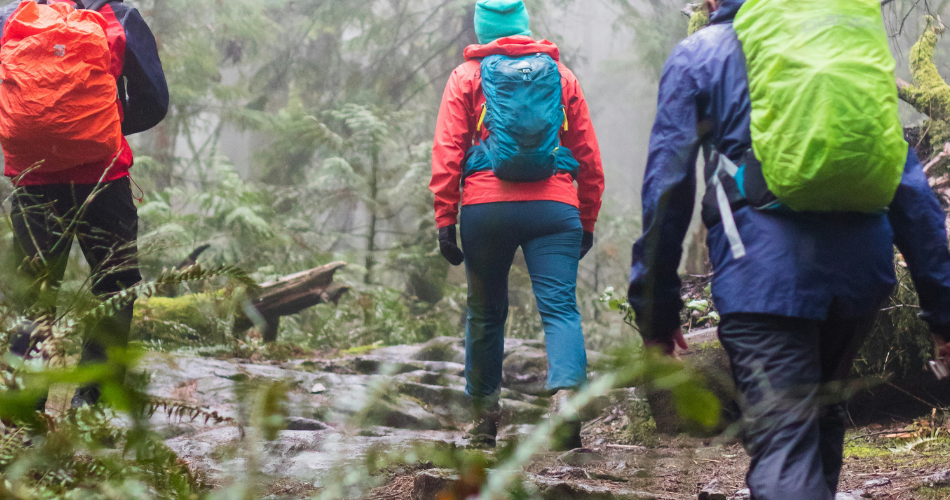
- Waterproof/breathable rain jacket and pants
| | | | |
Rainy-Weather Layers (Cool Temps): - Lightweight polyester long underwear top and bottom
- Lightweight fleece jacket
- Synthetic hiking pants
- Lightweight waterproof/breathable rain jacket and pants (with plenty of vents)
| | | | |
Hot-Weather Layers: - Polyester briefs
- Short-sleeve synthetic tee
- Convertible nylon hiking pants
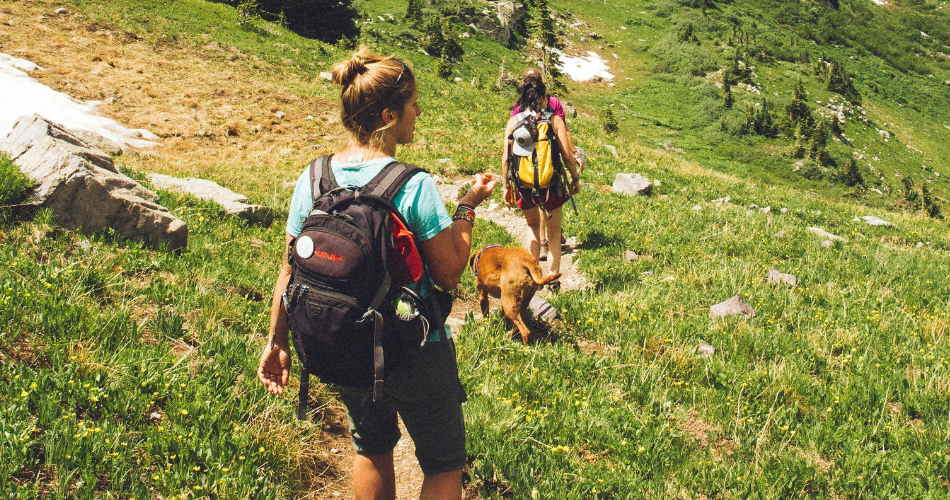
- Lightweight wind jacket
| | | | |
4. Know Your Trail Conditions: Brush, Woodlands, Tall Grasses, or Forested Areas: - Wear long sleeves and pants
- Choose clothes with built-in insect repellent or bug-net clothing. Also clothes that you can seal around the sleeve and legs. These measures help keep ticks, mosquitoes, and other pests at bay. Something you don't want, believe me.
Desert Hikes: - Consider higher or taller hiking boots for added protection against the sand.
Urban Hikes: - Opt for versatile clothing that allows you to transition seamlessly from town to trail. Dare I say that style may have to be considered here too! Check out Gorpcore.
| | 5. Pack a Sun Hat and Beanie We lose a lot of our heat through our heads. And a wide brim sun-hat is perfect when in the glare of the sun. It's better than a baseball hat. If you have the luxury, bring lots of changes of clothes. Especially underwear and quick drying socks.
Let's dive a little deeper…
| | | | |
When selecting fabrics for your hiking clothes, keep these properties in mind:
Wicking: As mentioned above, essential for base layers or any clothing in direct contact with your skin. Wicking fabrics draw moisture (sweat) away from your skin to the fabric's outer surface, allowing it to dry quickly. This helps you stay comfortable and prevents feeling clammy or chilled. Good options include merino wool and synthetic fibers like polyester or nylon. Lots of sports clothing is now moisture wicking.
Insulating: While clothing doesn't produce heat, good insulation helps retain the body heat you generate, keeping you warm. This property is crucial for your mid layers. The thickness should depend on weather conditions.
Waterproof and Windproof: Important for outer layers or shells. These fabrics prevent rain from soaking your clothes and protect against wind, which can strip away body heat. Note that water- and wind-resistant jackets offer only moderate protection and aren't fully impermeable. Also, jackets labeled as waterproof are often windproof as well, even if not explicitly stated. Being from Ireland, I'm aware of the importance of this layer, top and bottom!
Breathable: Vital for all layers. Breathable fabrics enhance the effectiveness of your wicking layer by allowing it to dry quickly. Poor breathability can lead to excessive sweating and inefficient drying of perspiration, leaving you feeling damp.
Waterproof/Breathable: Advanced shells combine these features, but even the best technologies focus more on blocking wind and rain. This can reduce breathability in high humidity or during intense activity. Non breathable coated shells are cheaper but can feel very uncomfortable, like wearing a trash bag in a sauna. So look out for extra vents that can be opened/closed.
Sun Protection: Fabrics with an ultraviolet protection factor (UPF) rating shield your skin from the sun's harmful UV rays.
By considering these properties, you can build a comfortable, functional layering system for your hiking and camping adventures. Take a little time to research the best options for you.
| | | | |
QUICK NOTE We're thrilled to announce that we're planning our own Functional Outdoors Jackets…. Join our FB Group to have your say, and be part of the journey - launching in October. Or, signup here to be on the weekly email update, with surveys for feedback. | | | | |
Choosing The Right Footwear | | I break footwear requirements into 4 categories on a campsite. - The traditional hiking boot or shoe
- The around camp slipper or 'comfy' option - to be kept clean
- The in-betweener - for 'clean walks' to the campsite facilities etc.
- Functional footwear as required
| | The number one rule when choosing hiking boots is to ensure a good fit. Remember, a blister-free hike starts with well-fitted boots. Here are some tips: - Try them on in the afternoon: Your feet tend to swell as the day goes on. Trying boots in the afternoon ensures they won't become too tight during a long hike.
- Wear hiking socks: The thickness of the socks can affect the fit. Always try boots with the same kind of socks you'll wear on the trails.
- Leave a thumb's width: There should be space between your longest toe and the end of the boot to prevent toe-crushing on descents.
- High or low: Hiking boot vs hiking shoe depends very much on the terrain. Rock terrain lends itself to higher boots for the extra ankle support. Otherwise I use the shoe or trail-runner.
| | 2 Main Material Considerations - Waterproof or not? If you hike often, it's worth investing in waterproof boots or, at the very least, socks made with merino wool. These will keep your feet warm even if they get wet. Hiking boots with Gore-Tex lining can be a valuable investment. Consider this: what's the price of an enjoyable hike? These boots will keep your feet dry during unexpected showers or when crossing shallow streams.
- Now, let's talk about materials. Different boots offer various advantages depending on the material:
Leather: Durable and water-resistant. While they might take some time to break in, they're perfect for challenging terrains and longer treks. They will nearly always cost more.
Synthetics: Lighter than leather and easier to break in. They tend to be more breathable but might wear out faster. They do tend to be less expensive. PS - some would say they should look nice too, or at least not too bad! | | The camping slipper or bootie has replaced my flip-flops around the tent. Camp Slippers are sturdy and lightweight slippers - perfect for weary feet after a long day in hiking boots. Due to the low weight and small pack size they fit in any backpack. There are lots of brands out there now and you can't go too far wrong.Again, you'll generally get what you pay for. I also bring an 'in-betweener' shoe, for walks around the campsite, facilities etc. If camping in a woodland this is usually a regular runner or sneaker, if a warm and 'urbanized' and warm campsite, it's something like sandals or flip flops. One other thing I've been adding lately is a 'water shoe', especially if I'm planning to swim in non-familiar water, or other water activities. It saves the little toes! Again, you can google the term and find lots of options as they've gotten very popular recently. Finally, if the weather may turn, you can't go too far wrong with the wellies, especially for the kids, or old sneakers that can be thrown away…as you've probably noticed, I'm one of those 'pack them just in case' people! | | | | |
©2024 CRUA™. All Rights Reserved. | | No longer want to receive these emails? Unsubscribe.Crua Outdoors 19121 Marketplace Avenue Bldg. 2, Suite 120 Kyle, Texas 78640 | | It's our mission to build a strong community centred around backpacking, outdoor adventure, exploration, growth and most importantly - fun! We love to discover extraordinary and useful products and share them with you! We love to help people learn how to enjoy the outdoors at the next level by simply choosing the right products that they use in their outdoor activities. Every day we are building and strengthening partnerships with companies and missions that are ethically and environmentally responsible. We particularly love working with artisans, makers, and small businesses because through their passion and their craft they help make the world a better place. As much as we care about outdoors, we also care about your privacy. Crua Outdoors is owned and operated by Crua Outdoors. We are committed to advising you of the right to your privacy, and strives to provide a safe and secure user experience. Our Privacy Policy explains how we collect, store and use personal information, provided by you on our website. It also explains how we collect and use non-personal information. By accessing and using our website, you explicitly accept, without limitation or qualification, the collection, use and transfer of the personal information and non-personal information in the manner described in our Privacy Policy. Please read this Policy on our website(s) carefully, as it affects your rights and liabilities under the law. If you disagree with the way we collect and process personal and non-personal information, please do not use this website. This Policy applies to this website as well as all webpages Company hosts. It regulates the processing of information relating to you and grants both of us various rights with respect to your personal data. It also informs you of how to notify us to stop using your personal information. We are located in the United States of America. You may be located in a country that has laws which are more restrictive about the collection and use of your personal information. However, by using our website, you agree to waive the more restrictive laws and agree to be governed by the laws of the United States of America. If you wish to view our official policies, please visit our website. | | | | |




No comments:
Post a Comment