A message from our Political Editor, Sam McBirde - A change to how the News Letter covers politics.

News from the Belfast News Letter


  Oct 8, 2020  
     
 
Dear reader,

Thank you for your time. I want to inform you of a change to how the News Letter reports politics.

It has been my privilege to cover political developments for the News Letter for more than a decade. In what has been a period of frequent political turmoil, my colleagues and I have sought to understand what is happening around us and then explain it to our readers honestly and accurately.

In that time, our digital audience has consistently grown even as paper sales have declined - a trend familiar to almost every newspaper in the western world over recent years as consumer habits change from the tradition of a morning stroll to the newsagent to a morning scroll through news delivered via a phone.

Now my editor has asked me to make a subtle but significant shift in how our political coverage is delivered to you. Recognising that since the start of the pandemic there has been an explosion in the number of readers paying to read our articles online, my work will increasingly be appearing on the website even before it arrives on newsstands in the newspaper. We will seek to update the website at breakfast time, lunch time, and tea time - as well as throughout the day as stories break.

We will be putting particular emphasis into our online political coverage and investing in this area because my colleagues' analysis of the articles which subscribers are reading points to their engagement with political stories - whether on the RHI scandal, Sinn Féin's flagrant disregard for public health advice at Bobby Storey's funeral, the PSNI's enforcement of law which simply did not exist, a senior civil servant meant to be making Stormont less secretive actually presiding over the wrongful suppression of potentially embarrassing material, or scores of other stories unique to the News Letter.

This newspaper has given me remarkable freedom to pursue stories which are in the public interest, without fear or favour, and reporting that to the people who ultimately pay our wages - you, our readers.  We can only do that journalism with your support - whether you are a reader who buys a copy of the paper or who subscribes to our website.

I want to sincerely thank you for your support for our journalism - especially to those who have subscribed online in recent months. It is the huge increase in digital paying subscribers which has meant that the News Letter has not lost any of our journalists since the start of this crisis, even as many other newspapers have been shedding staff.

The News Letter has been reporting on politics since 1737 and I can assure you that the essence of what we do - informing you of political developments, especially those which are not being reported by larger media outlets, regardless of who it offends, and explaining complex concepts or legislation simply - is not going to change.

But you will now be able to get your news faster on our website if you wish, or slower and in the traditional form which holds such fondness for myself and so many of my colleagues.

Thank you and best wishes for the difficult winter which lies ahead of us all,

Sam


Want total access to all of our online content? You can subscribe to our website,
newsletter.co.uk for just £1 a month for 3 months - and it couldn't be easier.
Signing up will get you faster-loading articles, fewer adverts and access to exclusive content and events when we run them. To learn more, visit our Subscriptions page here.
 
     
  Sam McBride: Stormont's bungling search for a Sir Humphrey, at the worst possible time  
     
  It would be an exaggeration to say that the Northern Ireland Civil Service is facing its greatest test.  
     
{$escapedtitle}
     
 
Article Image
Sam McBride: Five things we learned at the Stormont Assembly this week (but you probably missed)
 
Blunders, bafflement, a vast TV audience and a glimpse of Sinn Féin's pragmatism – our political editor Sam McBride examines five developments at the Northern Ireland Assembly this week which you probably haven't seen reported.


Article Image
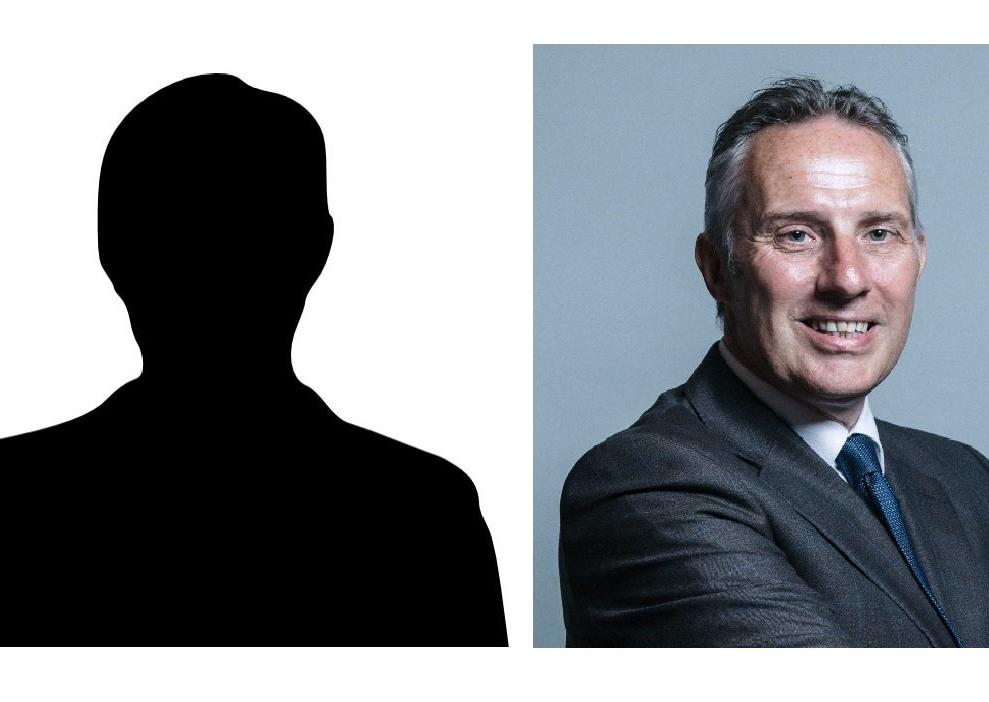
Ian Paisley, the 'personal friend' he hasn't seen for seven years and the £4,000 hotel bill he didn't have to pay
 
Ian Paisley consistently said that his holiday resort accommodation was paid for by a somewhat mysterious "long-standing personal friend" and that was why it did not need to be declared with the parliamentary authorities.


Article Image
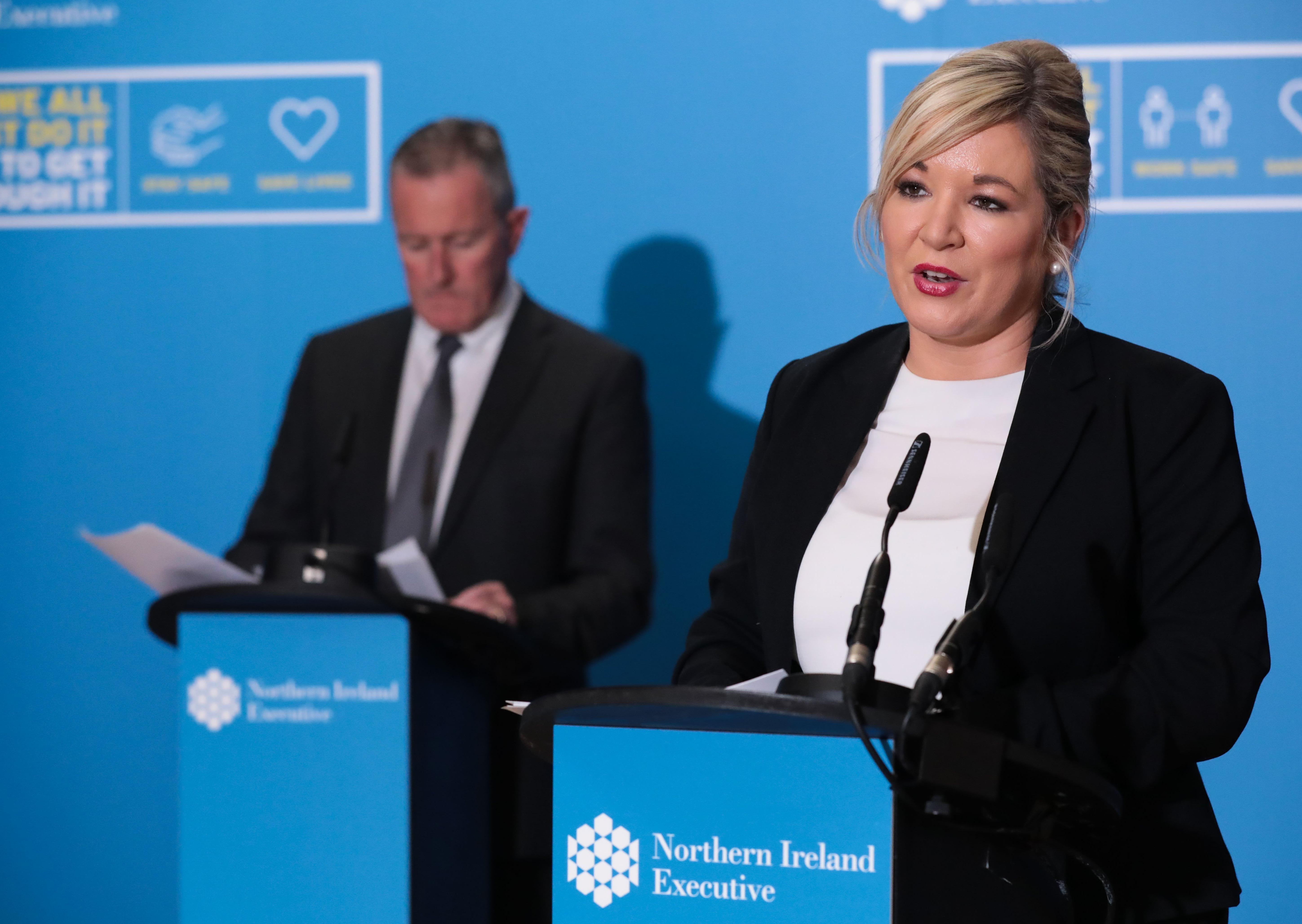
Michelle O'Neill refuses to answer News Letter question on her damaged credibility
 
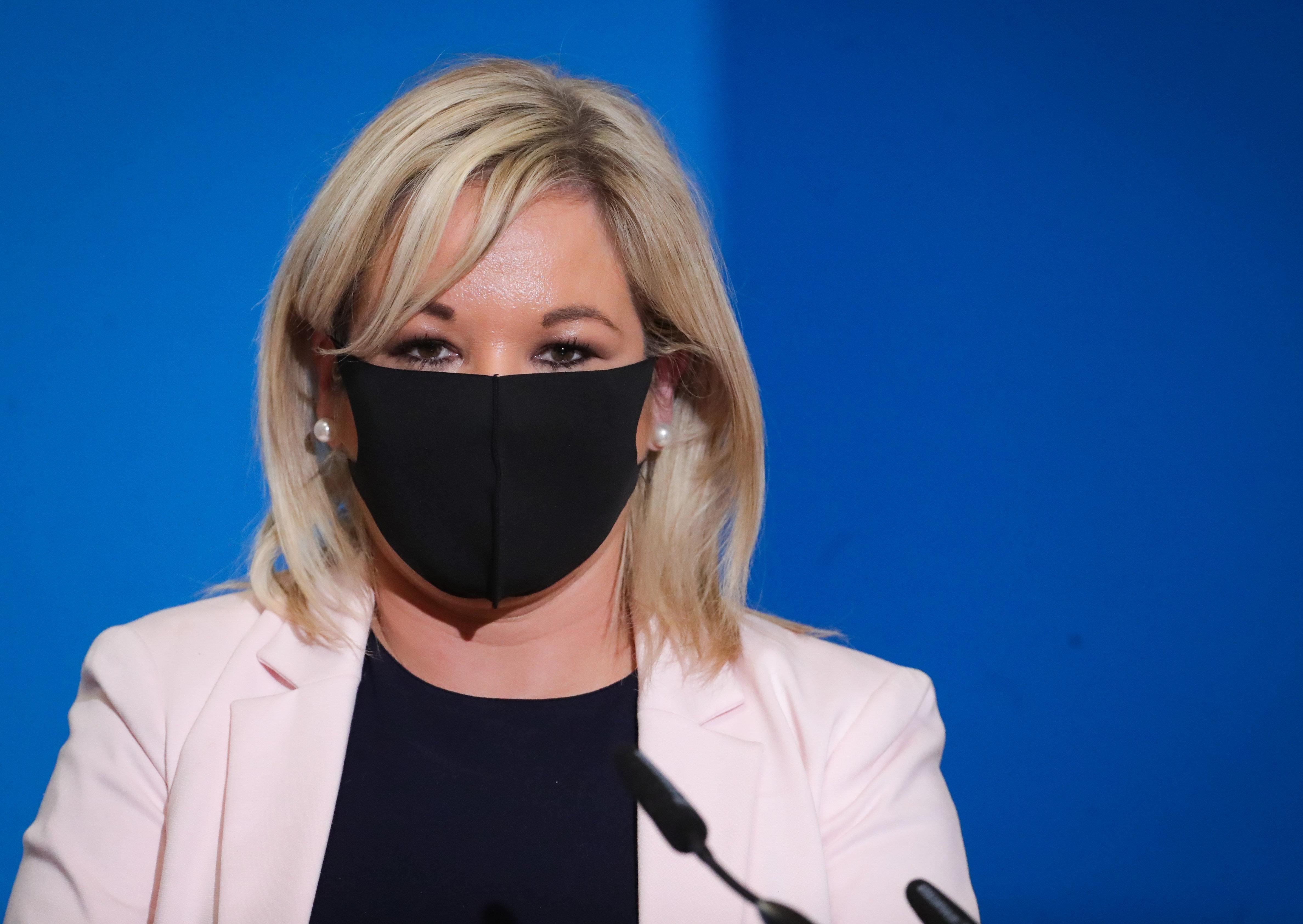
Michelle O'Neill remained silent when asked by the News Letter why the public should listen to her latest instructions on pandemic restrictions when she so openly breached her own Executive's advice.


Article Image
Sir Patrick Coghlin was paid £648k to chair RHI Inquiry – but junior barrister got far more
 
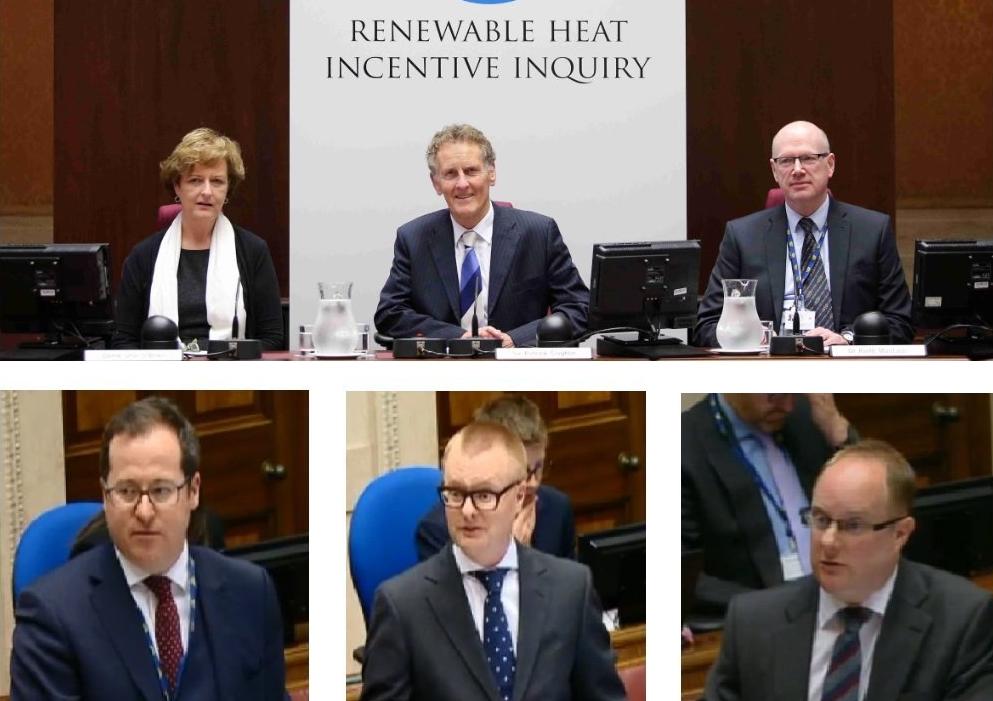
Sir Patrick Coghlin was paid more than £1,000 a day to chair the RHI Inquiry, the News Letter can reveal – but his earnings were superseded by those of one of the inquiry's junior barristers.


Article Image
After less than a week defying PM, DUP minister U-turns to allow officials to work on Irish Sea border checks
 
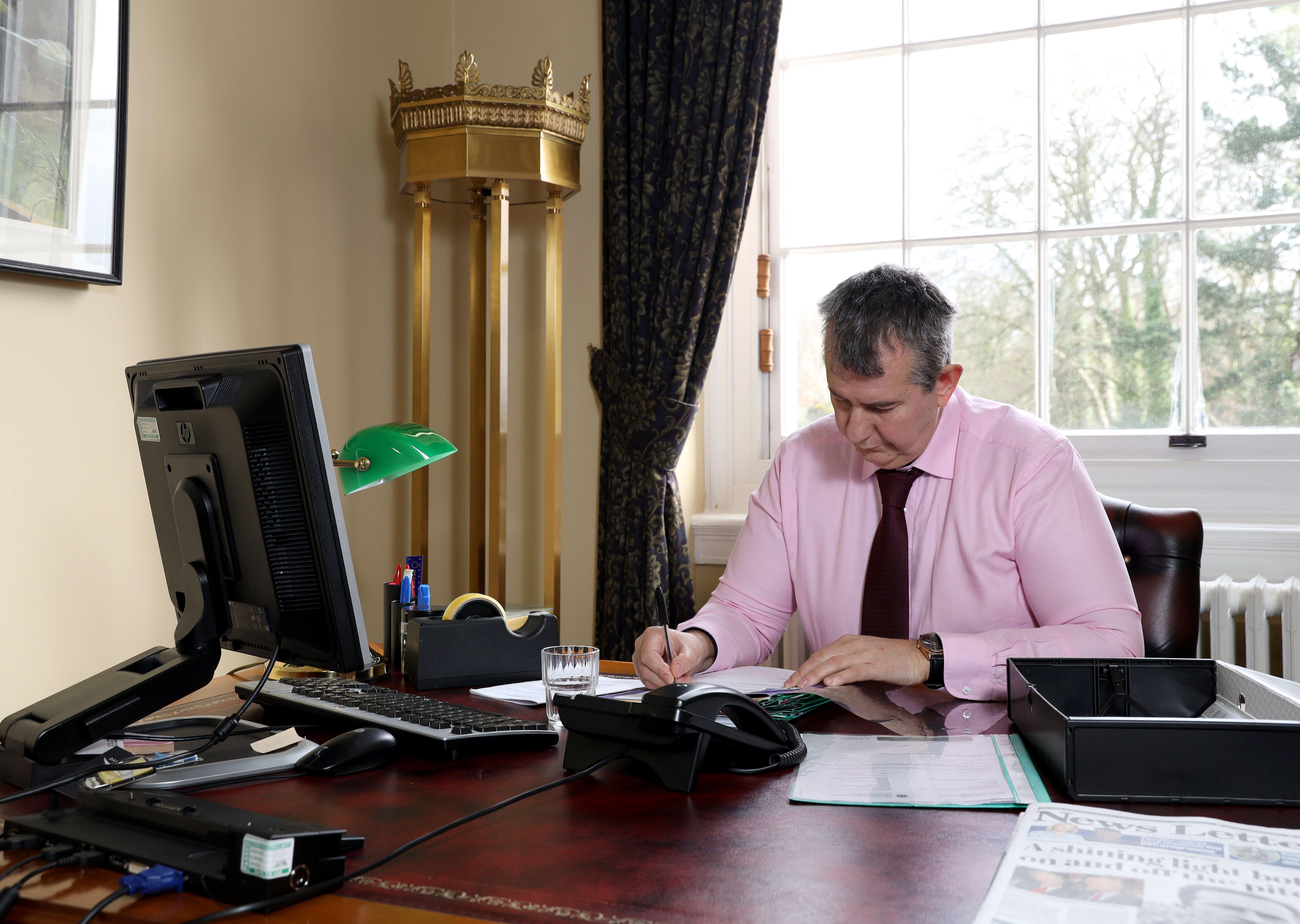
Just days after angering Boris Johnson's government and causing a crisis in the Executive by ordering his civil servants to halt work on implementing an Irish Sea trade border, DUP minister Edwin Poots has recanted and is allowing his officials to proceed with the work.


Article Image
Sam McBride: Ulster unionism is at risk of presenting itself as being for sale to the highest bidder
 
Increasingly, unionism is flirting with a danger about which some thoughtful members of all the unionist parties have either publicly or privately expressed alarm.


Article Image
Sam McBride: Sinn Féin thought Covid would hasten Irish unity, but increasingly it is exposing the party
 
It was clear that in the early weeks of the pandemic, Sinn Féin saw this crisis not just as a human disaster, but as a political opportunity.


You have received this email as you are opted in to newsletters from the News Letter, published by JPIMedia Publishing Ltd. To manage your individual newsletter preferences with us, please click here and log in to your account.
 
 
Alternatively you can update your email preferences to choose the types of emails you receive from JPIMedia Publishing Ltd, or unsubscribe from all future emails.


JPIMedia Publishing Ltd, a company registered in England and Wales with registered number 11499982, having its registered address at 1, King Street, London, England, EC2V 8AU, United Kingdom.

We will process your personal data in accordance with our privacy policy.
 

Coronavirus Briefing: Cases are surging in America’s breadbasket

The virus is now devastating the Midwest and Great Plains.

An informed guide to the pandemic, with the latest developments and expert advice about prevention and treatment.

(Was this email forwarded to you? Sign up here.)

The New York Times

Cases are surging in America’s breadbasket

After savaging the Northeast in the spring and the South and the West this summer, the virus is now devastating another region in the United States — the Midwest and Great Plains.

From Wisconsin to Montana, states in the nation’s breadbasket had mostly avoided large outbreaks during the initial months of the pandemic. Now, many hospitals in the region are filling to capacity and cases and deaths are on the rise.

In the past week, North Dakota has reported more new cases per capita than any other state. Hospitalizations have risen so sharply that medical officials have had to send patients miles away for care, even across state lines to Montana and South Dakota. On Monday, across the entire state, just 39 staffed I.C.U. beds were available.

In Wisconsin, the virus is raging out of control. Three of the four metropolitan areas in the U.S. with the most cases per capita last week were in northeastern Wisconsin, and hospital systems in the state are becoming overwhelmed. Officials opened a field hospital today in Milwaukee.

Health experts say the recent spike in cases was driven by young adults and the reopening of colleges and K-12 schools. Thousands of cases have been linked to Midwestern universities, and the scale of the outbreaks, given the relatively small populations of states like South and North Dakota, has had outsize effects.

The virus took its time to reach frightening levels in the region, which is why public health officials say they’re having trouble convincing people that the situation is urgent. There’s a general fatigue over wearing masks and social distancing, and regulations aimed at slowing the spread of the virus in the region have been met with resistance. But as cases and deaths continue to climb, health officials like Vern Dosch, who leads contact tracing efforts for North Dakota, hope that the public will start to take the virus more seriously.

“If there’s anything that should get our population’s attention, it’s this: how perilously close we are to the edge,” Mr. Dosch said.

A growing backlash against Notre Dame’s president

When colleges were debating whether to bring back students to campus this fall, the Rev. John I. Jenkins, the president of Notre Dame, was one of the loudest voices in the room.

The 66-year-old Catholic priest was one of the first to invite students to return to campus and argued in a Times Op-Ed in May that the college had a moral obligation to educate students and not be crippled by fear.

But now Father Jenkins is facing a firestorm of protests and outrage in South Bend after he violated his own health rules by appearing without a mask at President Trump’s White House reception for the Supreme Court nominee Amy Coney Barrett — and became one of the growing number of attendees of the event to test positive for the virus. Here’s a graphic tracking the White House outbreak.

Students have petitioned for Father Jenkins’s resignation. Some have reported him to a coronavirus hotline. And the faculty senate came close to holding a confidence vote on his leadership.

At least 10 Notre Dame faculty members also attended the White House event for Judge Barrett. Two, who asked that their names not be used because of the campus backlash, said the decision not to wear a mask stemmed from a desire to politely blend in with the other guests. And they are regretful.

“In the light of the reactions and publicity and fallout for the university as a whole,” one faculty member said, “I do wish the whole thing had played out differently.”

About 770 of the 12,700 students on Notre Dame’s campus have tested positive this semester, and a recent government report showed surrounding St. Joseph County as being a major coronavirus hot spot, citing returning Notre Dame students as a possible source of community infection.

At the White House: President Trump dismissed cautions and returned to the Oval Office on Wednesday, and also released a nearly five-minute video in which he called getting infected with the coronavirus “a blessing from God.” He said he would provide hundreds of thousands of doses of the unapproved antibody cocktail he received to Americans free of charge.

Mr. Trump portrayed himself as having rapidly recovered from Covid-19, but experts on the virus say he is entering a pivotal phase — seven to 10 days after the onset of symptoms — when some patients take a turn for the worse.

Resurgences

What else we’re following

What you’re doing

After not hugging my grandchildren for months, I couldn’t stand it anymore. So I invented the “blanket hug.” I wrap a blanket around each one, while we are masked, and hug each one cocooned in the blanket. We also “kiss” elbows: when we touch elbows, we make loud kissy noises. The 7- and 9-year-old especially get a kick out of kissy elbows.

— Edwina M. Ekstrom, White Township, N.J.

Let us know how you’re dealing with the pandemic. Send us a response here, and we may feature it in an upcoming newsletter.

Email your thoughts to briefing@nytimes.com. Did a friend forward you the briefing? Sign up here.

Need help? Review our newsletter help page or contact us for assistance.

You received this email because you signed up for Coronavirus Briefing from The New York Times.

To stop receiving these emails, unsubscribe or manage your email preferences.

Subscribe to The Times

Connect with us on:

facebooktwitterinstagram

Change Your EmailPrivacy PolicyContact UsCalifornia Notices

The New York Times Company. 620 Eighth Avenue New York, NY 10018